ONE
ONE
Valerie van Leersum
ONE
Valerie van Leersum
datum
datum
Tijden
Tijden
locatie
locatie
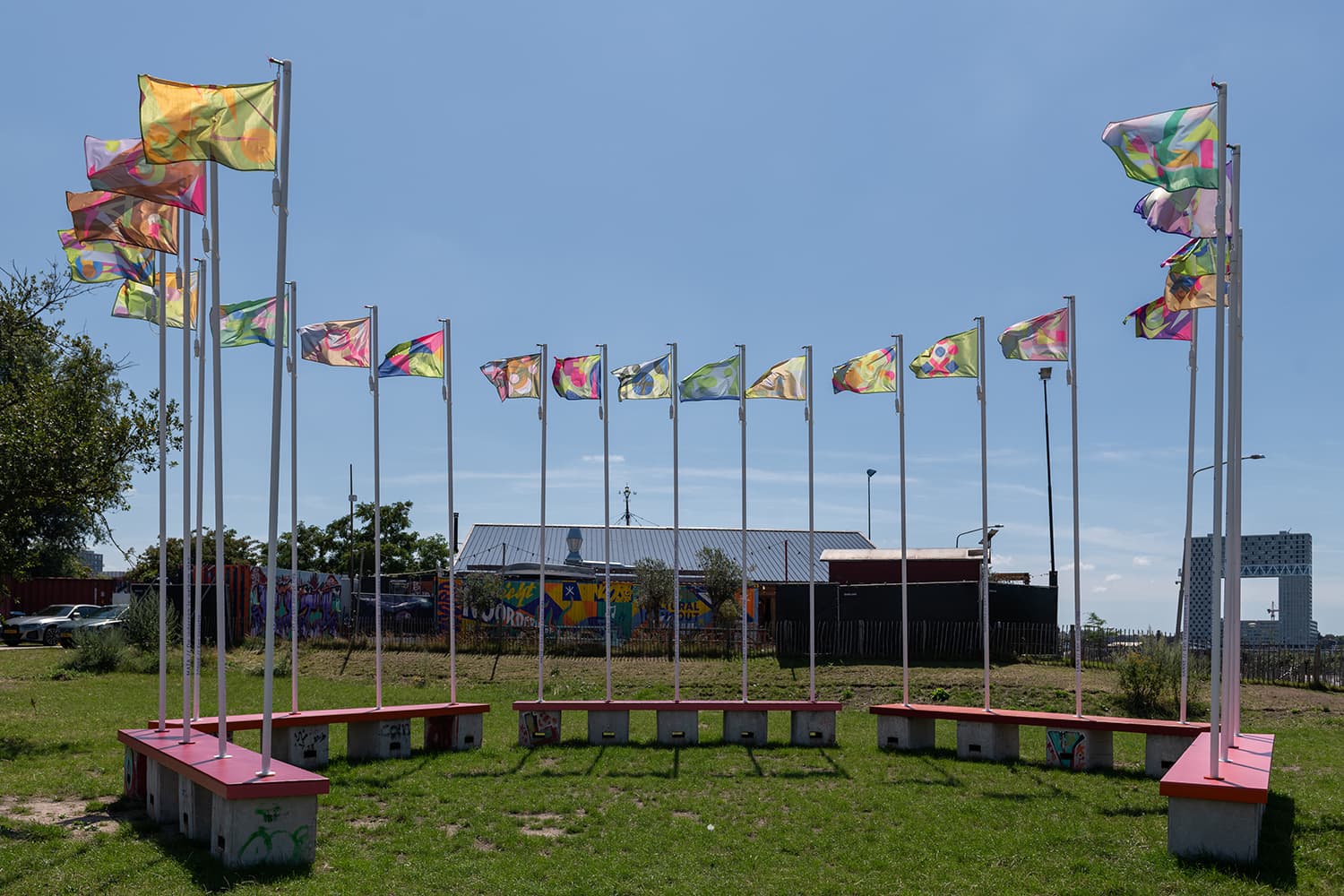
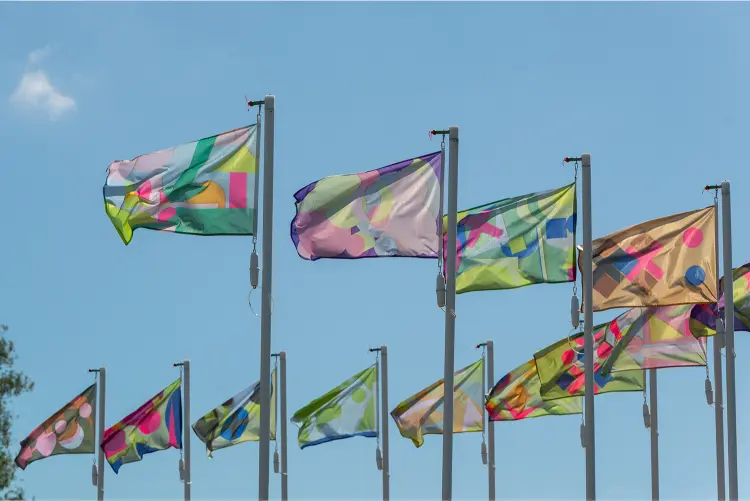
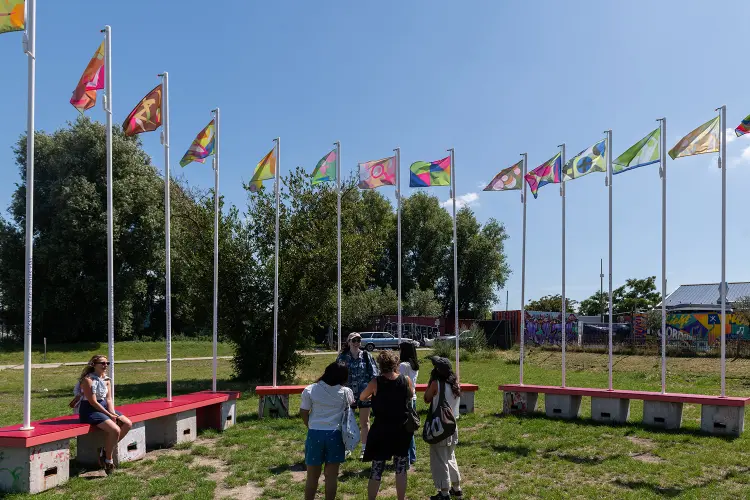
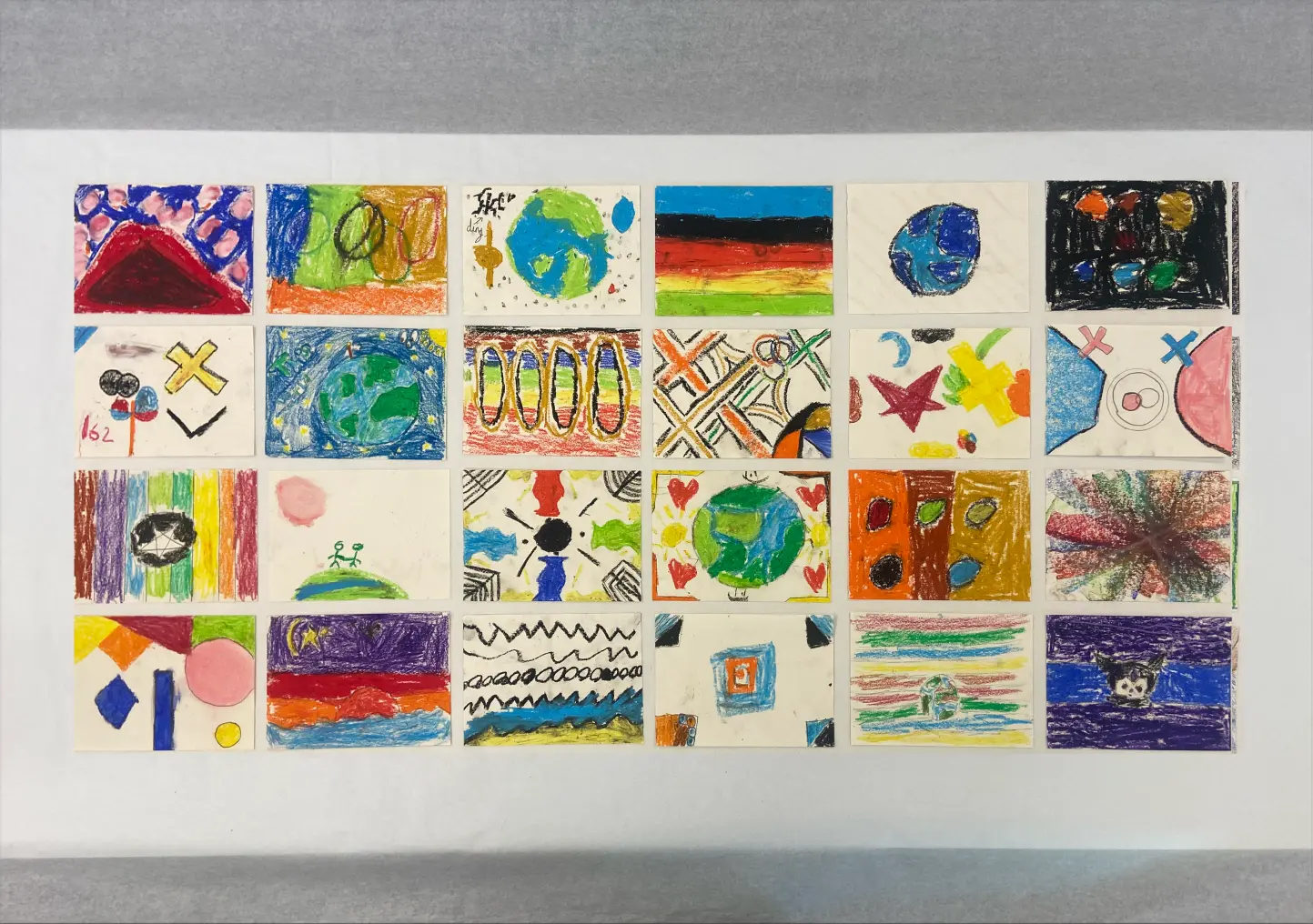
In ONE, 21 children from De IJsbreker primary school had the opportunity to depict their dreams and ideas about the world in the form of world flags. The children, around 10 years old, are in an important phase of their lives, where they are increasingly thinking about their place in the world.
In ONE, 21 children from De IJsbreker primary school had the opportunity to depict their dreams and ideas about the world in the form of world flags. The children, around 10 years old, are in an important phase of their lives, where they are increasingly thinking about their place in the world.
Flags are powerful symbols: they express who we are and connect people, but they also set boundaries. ONE is an educational project led by artist Valerie van Leersum, in collaboration with De IJsbreker in Amsterdam-Noord. Van Leersum invited the children to use these symbols to create their own vision of the world.
The question “What does your world flag look like?” formed the starting point for their flag. The children first worked one-on-one with Valerie van Leersum. After that, they further developed their ideas in groups under her guidance. Resulting in 21 flags that say something about who they are, what they care about and how they see the world in front of them.
The students learned from each other and shared their ideas. ONE is a celebration of the children's imagination and their unique ideas. It reminds us that, young and old, we can build tomorrow's world together. Visitors can discover the stories behind the flags online via the QR code. You can also read quotes from the conversations with the children.
ONE shows that children are not just spectators, but actively contribute to the future and the coming together of people in it. Stichting NDSM-werf wants to create a place where people can meet, inspire and dream about the future together, because children are the future!
About Stichting NDSM-werf
Stichting NDSM-werf programs and manages the monumental outdoor space of NDSM as a cultural wharf, with its public character, creative experimentation and multiple perspectives at its core. The foundation develops and presents site-specific installations and artworks by and with artists, designers and architects.
ONE was made possible in part by the Amsterdamse Fonds voor de Kunsten and it Mondriaan Fonds.


The 21 children's flags:
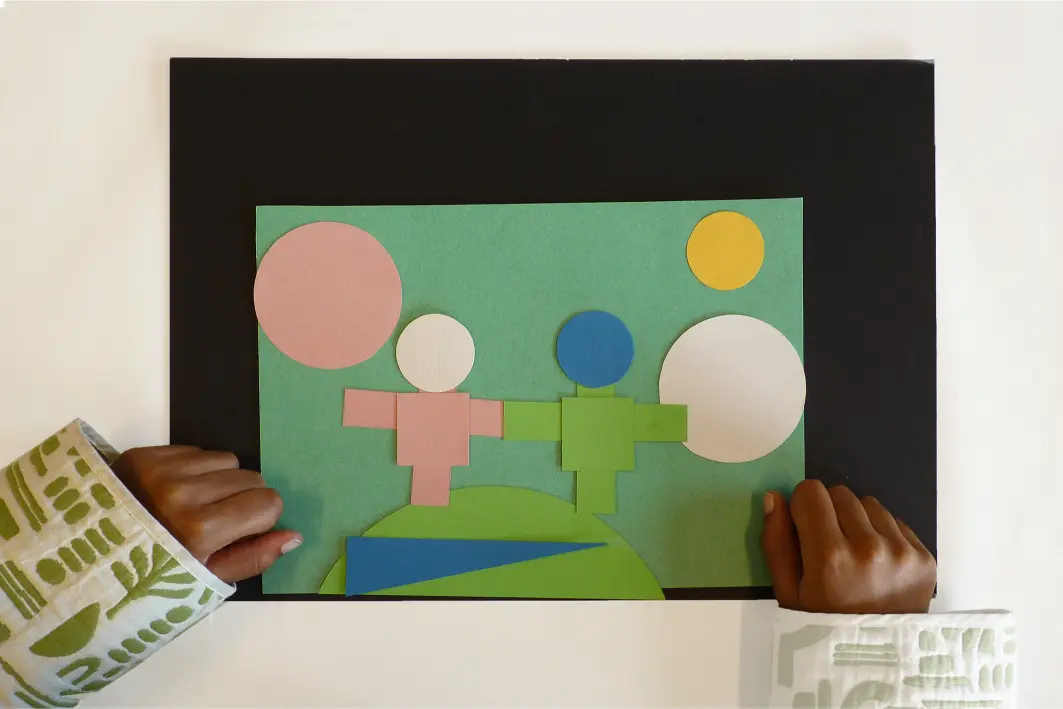
Flag type: A nice flag.
Why a world flag: The world has all countries and with this flag, they are one. Then you don't have to fight anymore.
For whom: For everyone and everything that lives on the Earth.
Where does the first flag come from: A place I trust.
Explanation: Two people who come somewhere to make an agreement about peace. The circles are different countries. The blue triangle represents all the water on Earth.
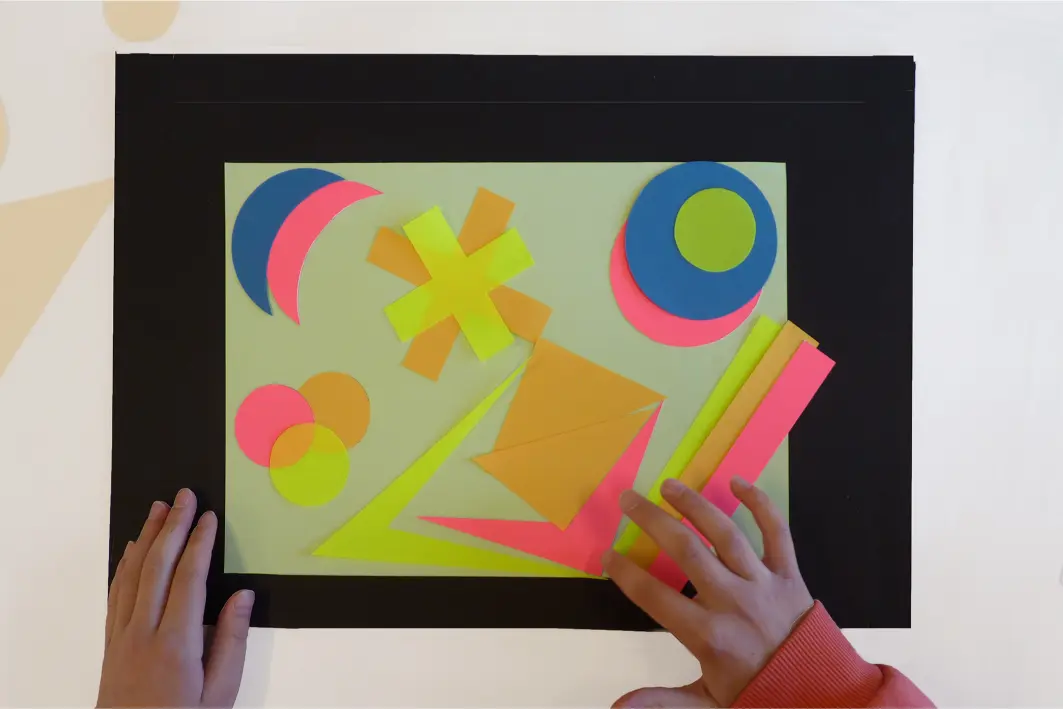
Flag Type: A free flag.
Why a world flag: There is no world flag yet. The flag can say that we can go where we want to go. I think it's important that we also look at other countries and how they live.
For whom: Also for animals. Especially for birds.
Where did the first flag come from: Schiphol, then you can go to other countries from there.
Explanation: The moon represents Turkey and the crosses represent Amsterdam. The triangular shapes represent the mountains. It also looks like a human face.
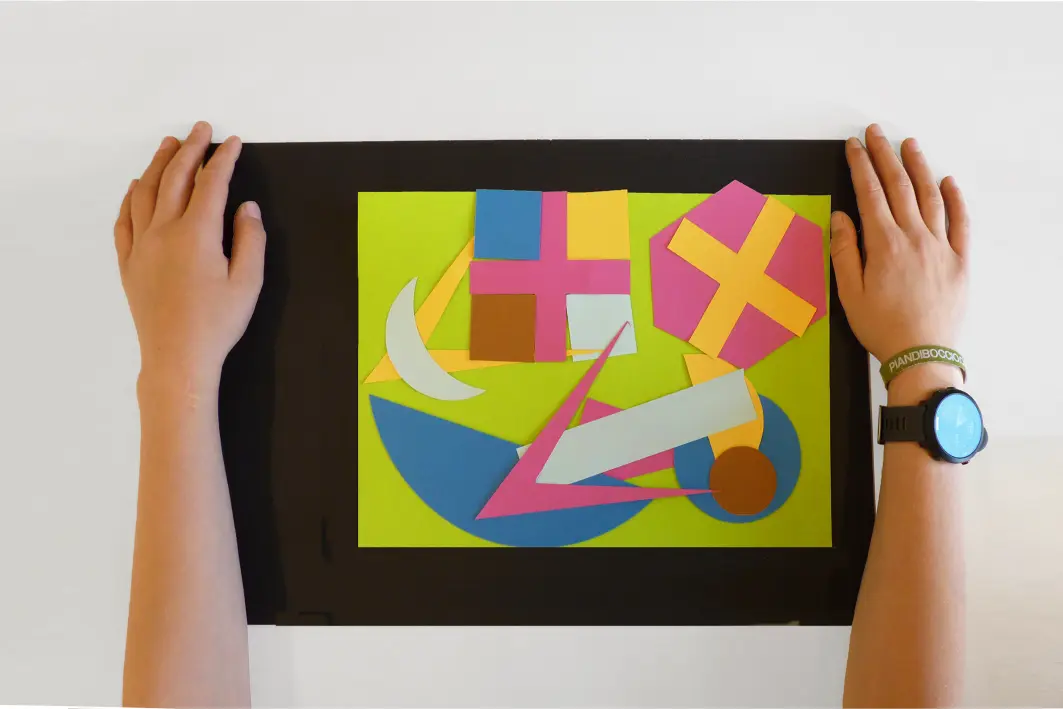
Flag type: A colorful flag.
Why a world flag: That all countries must be together and make peace. And that you can be whoever you want to be.
For whom: It helps to remember not to bully.
Where does the first flag come from: In the Efteling, a lot of people also come there and you can also dream about the world.
Explanation: All colors represent all different people. You have brown-skinned people and you have yellow skin and the blue for the different shades of people.
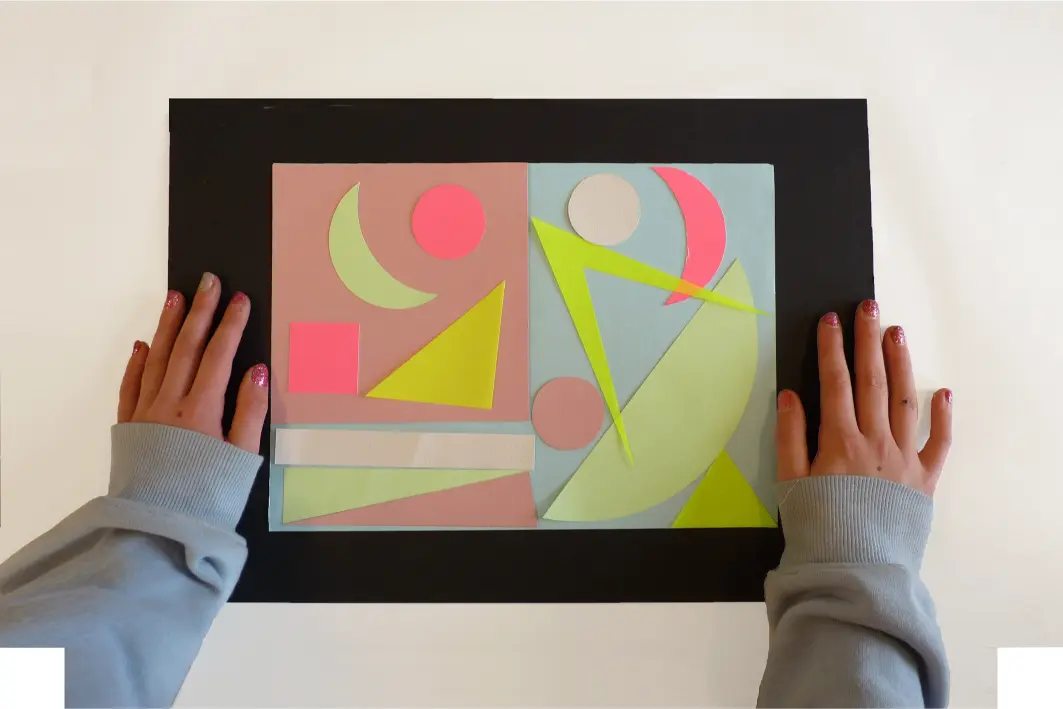
Flag type: A happy flag.
Why a world flag: Then we are all together and we can take care of the climate and care for each other together.
For whom: For everything. Everything in nature and everything in the environment. It's just against all the bad things, for example consuming too much energy and smoking.
Where does the first flag come from: In the happiest country.
Explanation: Bright and soft colors make you happy. And you can mix them. My father is from America, so I made two surfaces. The arrow is because rich people can also give something to the poor.
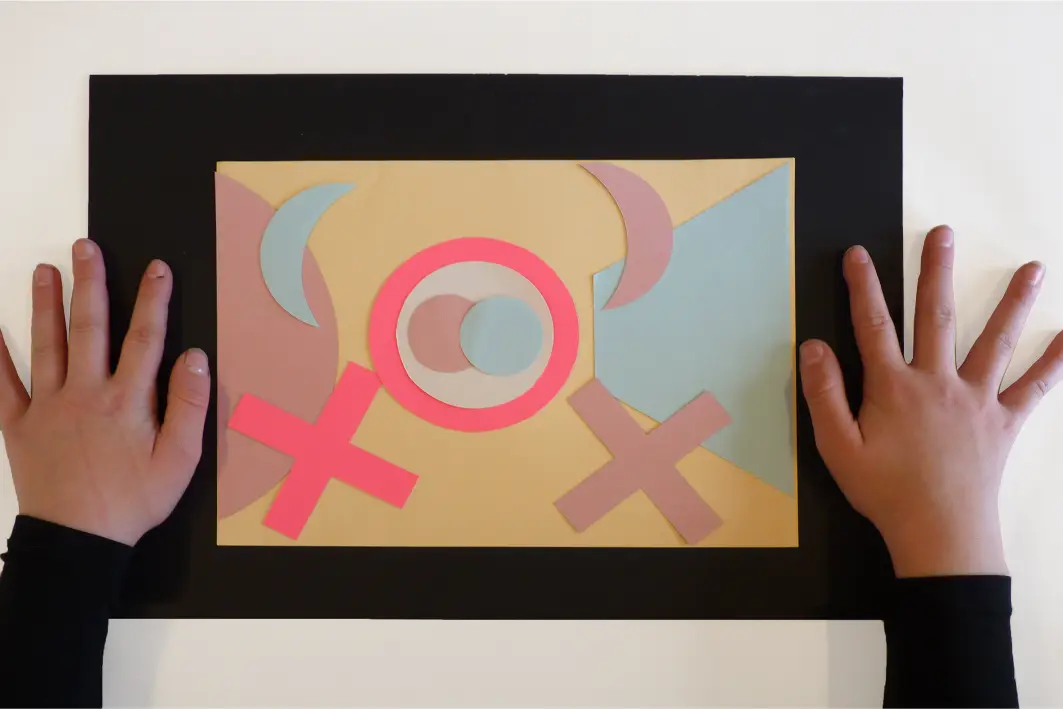
Flag Type: A busy flag.
Why a world flag: That you can show the effect. It has no further message.
For whom: For all people.
Where did the first flag come from: In the Maldives, I think that's so pretty with houses in the water. I would love to go there.
Explanation: Round for a top view of the Earth and the crosses to balance it. I just like the colors together.
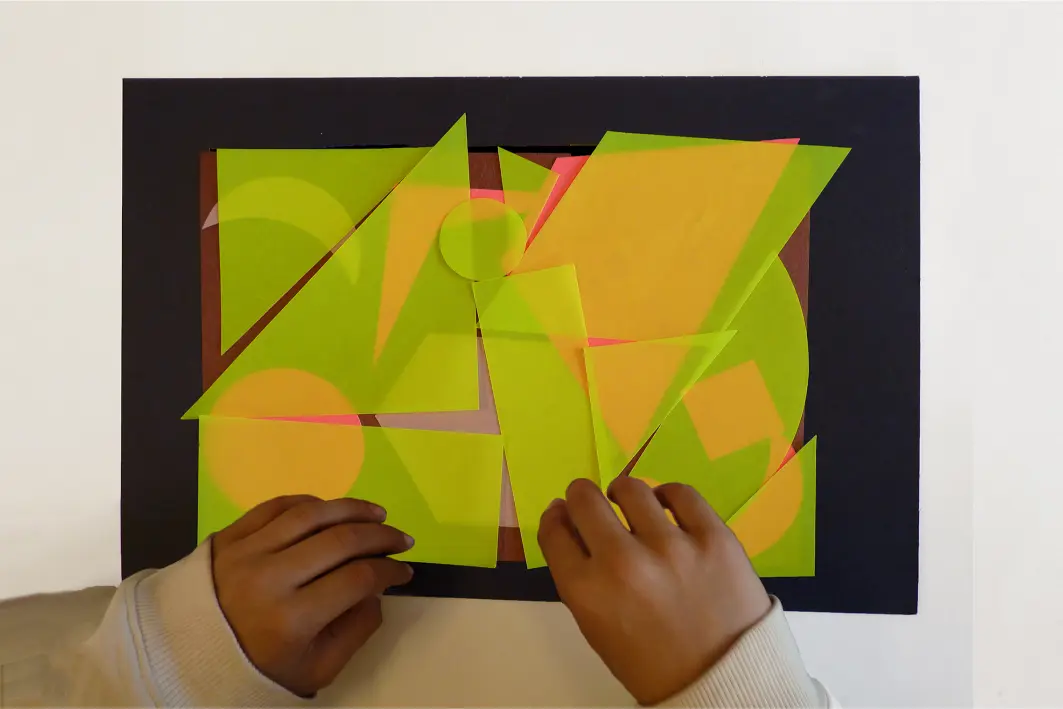
Flag Type: A layered flag.
Why a world flag: Suppose another world comes with other creatures, they will be able to recognize us.
For whom: Actually, I would love to make a series. One for people, one for nature and so on.
Where does the first flag come from: On an important monument.
Explanation: All layers shine through each other. They stand for the people. It means that all people are equally important and help each other. The yellow people also care for the people lying underneath.
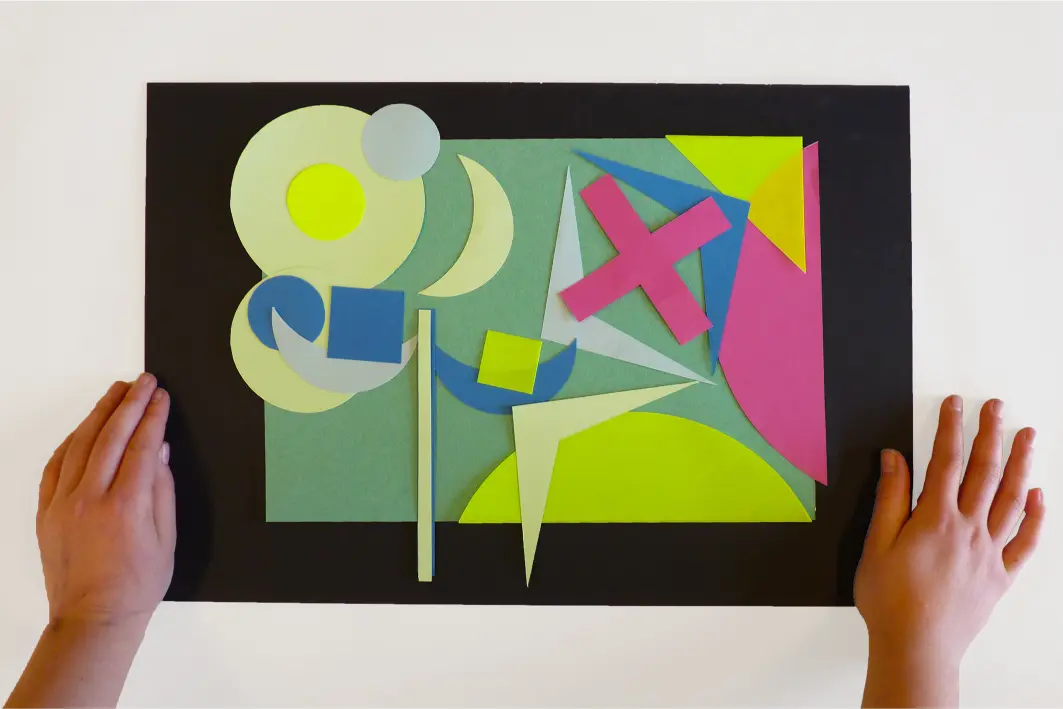
Flag type: A quirky flag.
Why a world flag: A flag with rules that apply to everyone. It helps to remember that you can be who you want to be. And that we need to distribute everything a little bit more.
For whom: Animals, nature and actually, we are nature too. For real nature, we are sometimes a bit of an annoying nature.
Where does the first flag come from: In a place where a lot of people can see it. For example, in a world square. Or in a place where many countries intersect.
Explanation: My flag has bright colors, but because there are also people who are less fortunate, there are also some grim colors among them. It has a shape of a scale because everyone is equal.
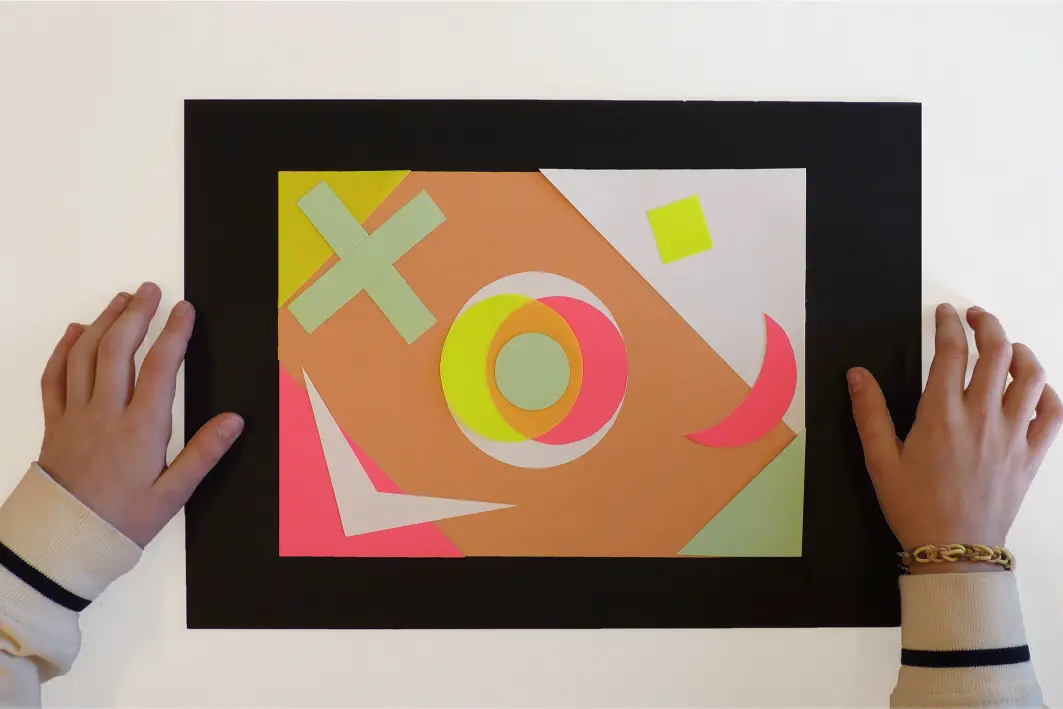
Flag type: A quirky and sweet flag.
Why a world flag: Then it can be used at all kinds of meetings.
For whom: For everyone and everything on Earth. The flag thinks we should do it well and he is stubborn about that too.
Where does the first flag come: On my house.
Explanation: It is busy and quiet. In the middle, everything comes together.
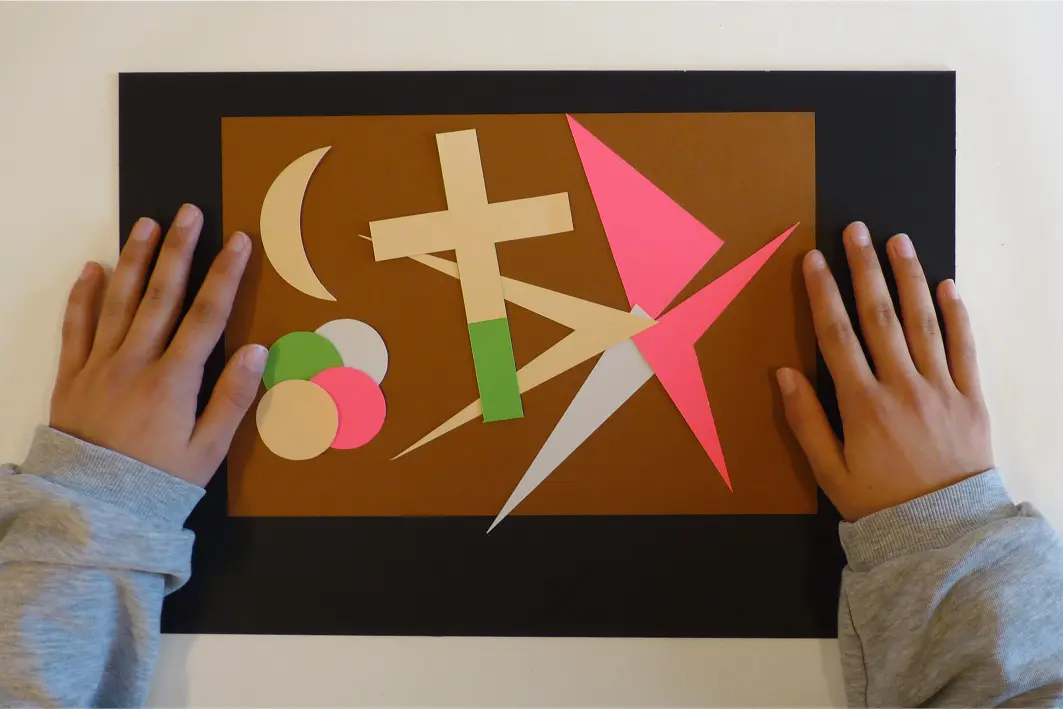
Flag type: The everyone is welcome flag.
Why a world flag: It invites everyone to belong. If you place the flag near a building, that means that everyone is welcome and that you can remain yourself.
For whom: For all faiths and wherever you come from.
Where does the first flag come: At my home.
Explanation: It has a star, a cross and a moon, which show different beliefs. Green appears in quite a few other countries' flags. The rest fits together nicely. Actually, I would like to see different hands near the flag every time.
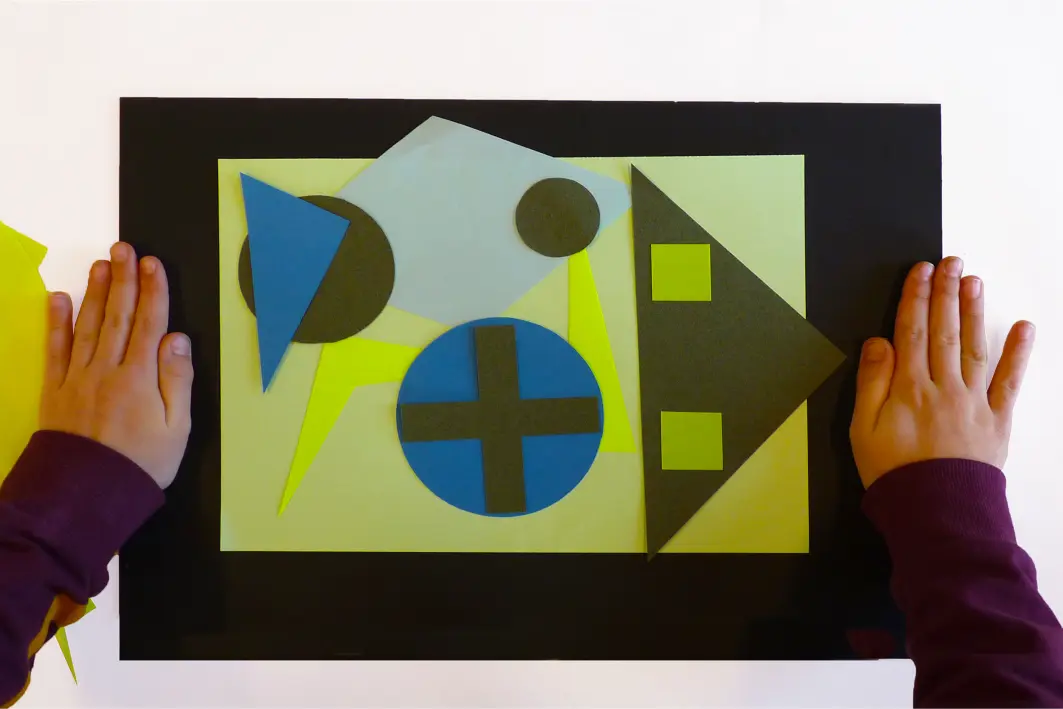
Flag type: An opposite of a world ruling flag.
Why a world flag: The world belongs to everyone, not to one person.
For whom: For everyone to say: a lot goes wrong, but a lot is also going right.
Where did the first flag come from: Mount Everest or another very high mountain.
Explanation: Blue circle is thundercloud and yellow is lightning. It is a nice combination that represents the forces of nature.
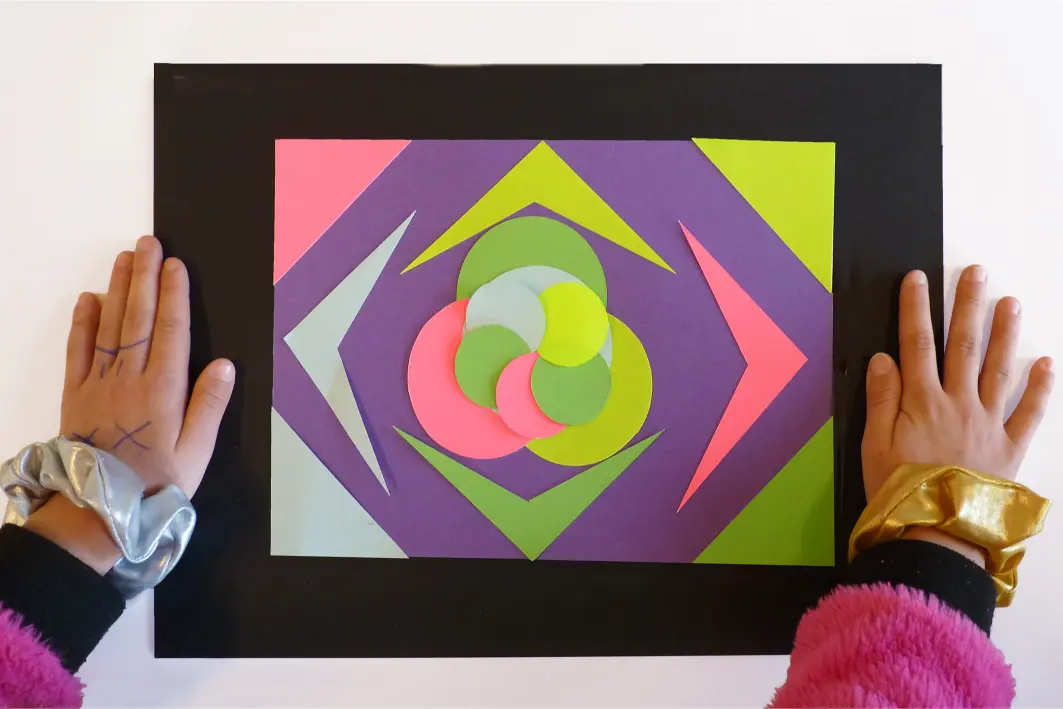
Flag Type: A joyful flag.
Why a world flag: All flags look alike, sometimes you can turn one around and it's a different country. This flag is going to be very different. This flag helps to remind you that there are actually no borders.
For whom: For everything.
Where does the first flag come from: At the North Pole and at the South Pole, these are the centers.
Explanation: This flag wants to bring joy. The triangles protect people and animals, but fun things can also go in.
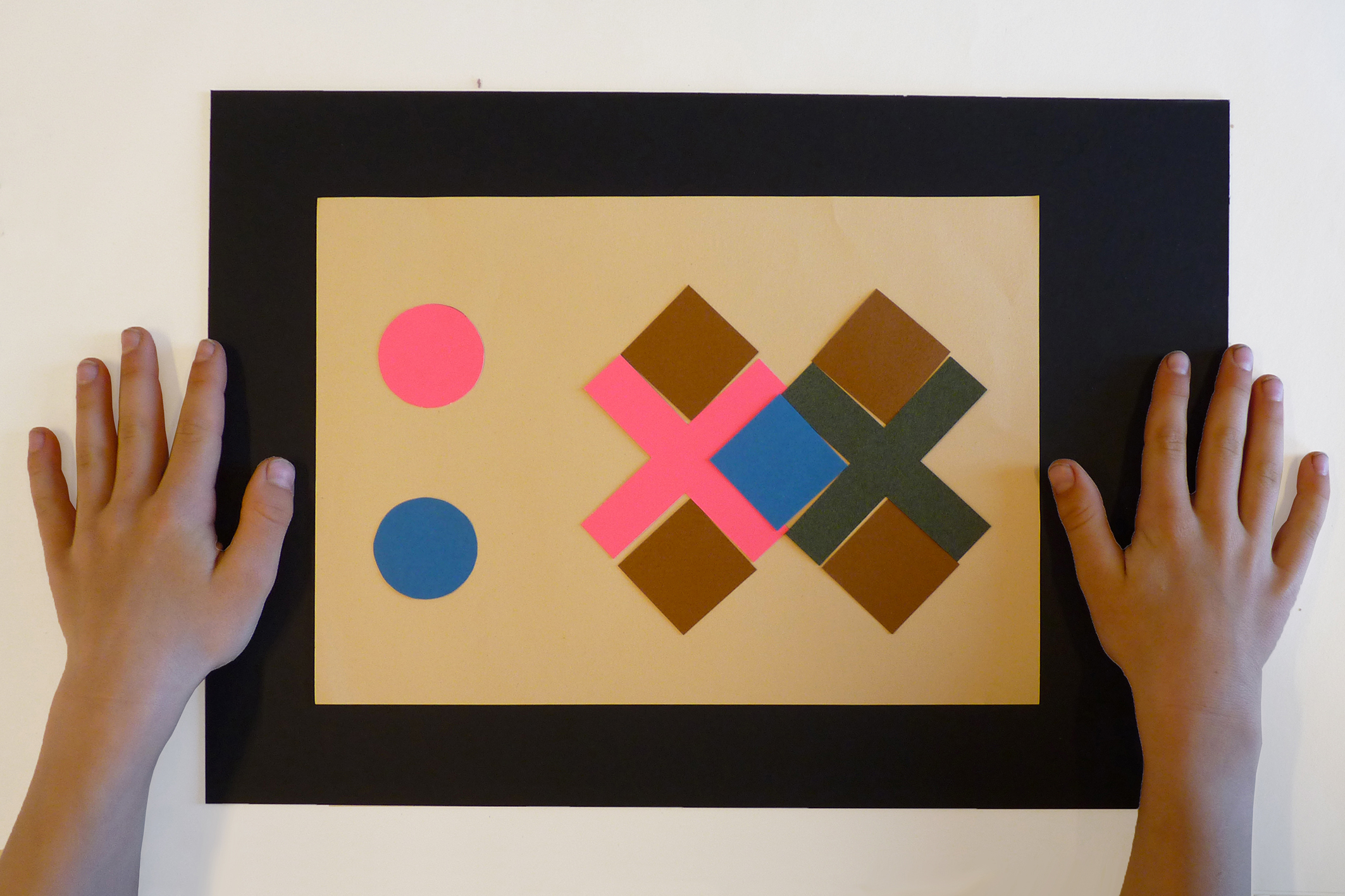
Flag Type: A sweet flag that gives compliments.
Why a world flag: Actually, you don't really need it. It's useful if there were another world, but now it's just for fun.
For whom: The flag is for all countries.
Where does the first flag come from: In my own garden.
Explanation: The colors alternate. I looked at the shapes and this came out.
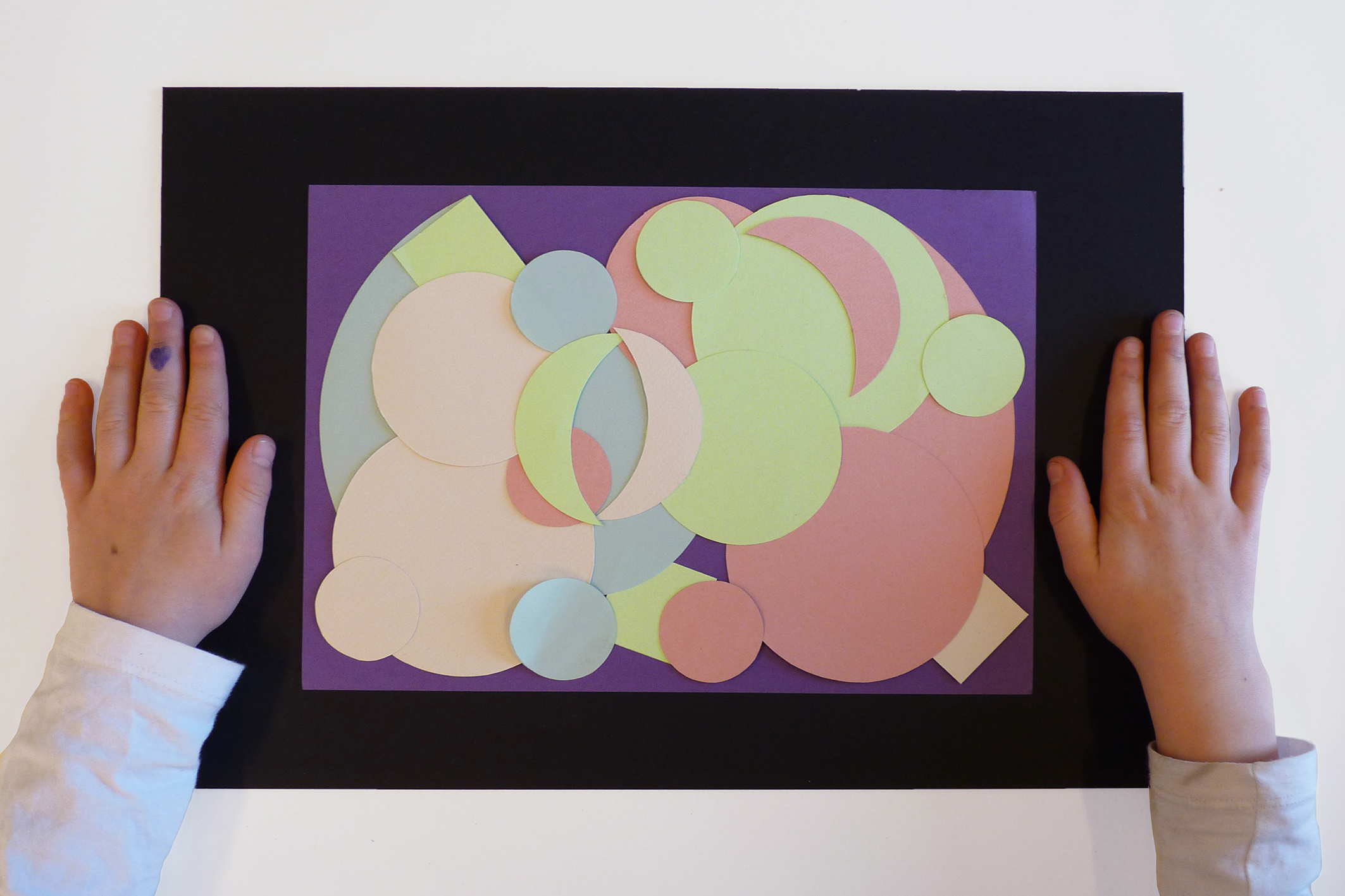
Flag Type: A calm and patient flag.
Why a world flag: Then you don't have to make thousands of flags and you can put up one flagpole, which in turn saves money, which is also sustainable. Each country has two, always one reserve.
For whom: For everything and for my mom and dad and my grandpa and grandma.
Where does the first flag come: In my garden. When I'm successful.
Explanation: The white color is for world peace. The green color is for less natural pollution. The blue color for less air pollution and the pink color is for all people. They are round shapes because the world is round.
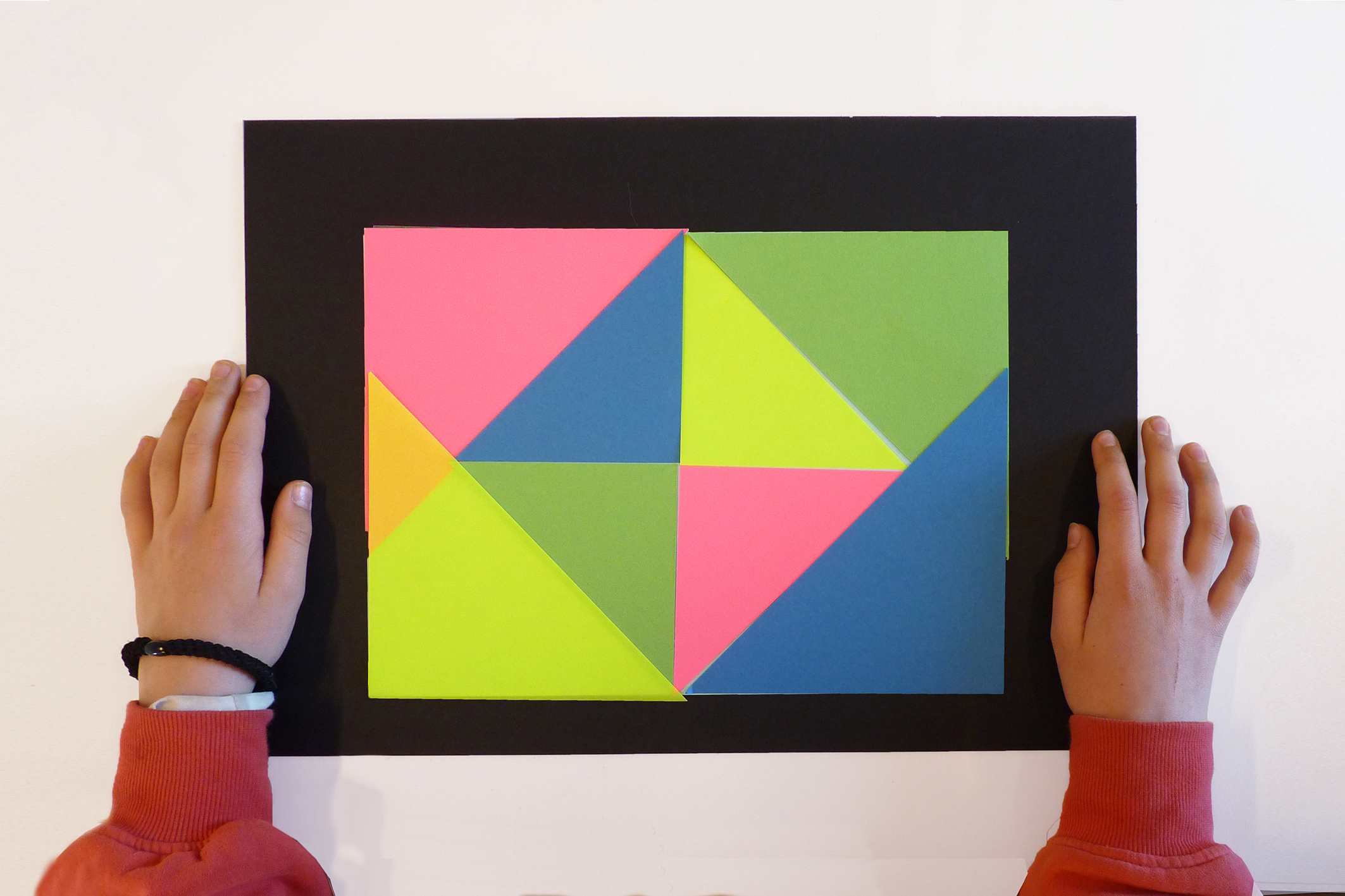
Flag Type: A happy flag.
Why a world flag: That everyone in the world can come.
For whom: This flag is for everyone and it is completely free.
Where does the first flag come: On the school roof.
Explanation: Green is for nature. The blue for the water and the pink for the houses. The background is light blue, but that's a surprise. On the side, yellow and pink turn orange together, I like that too.
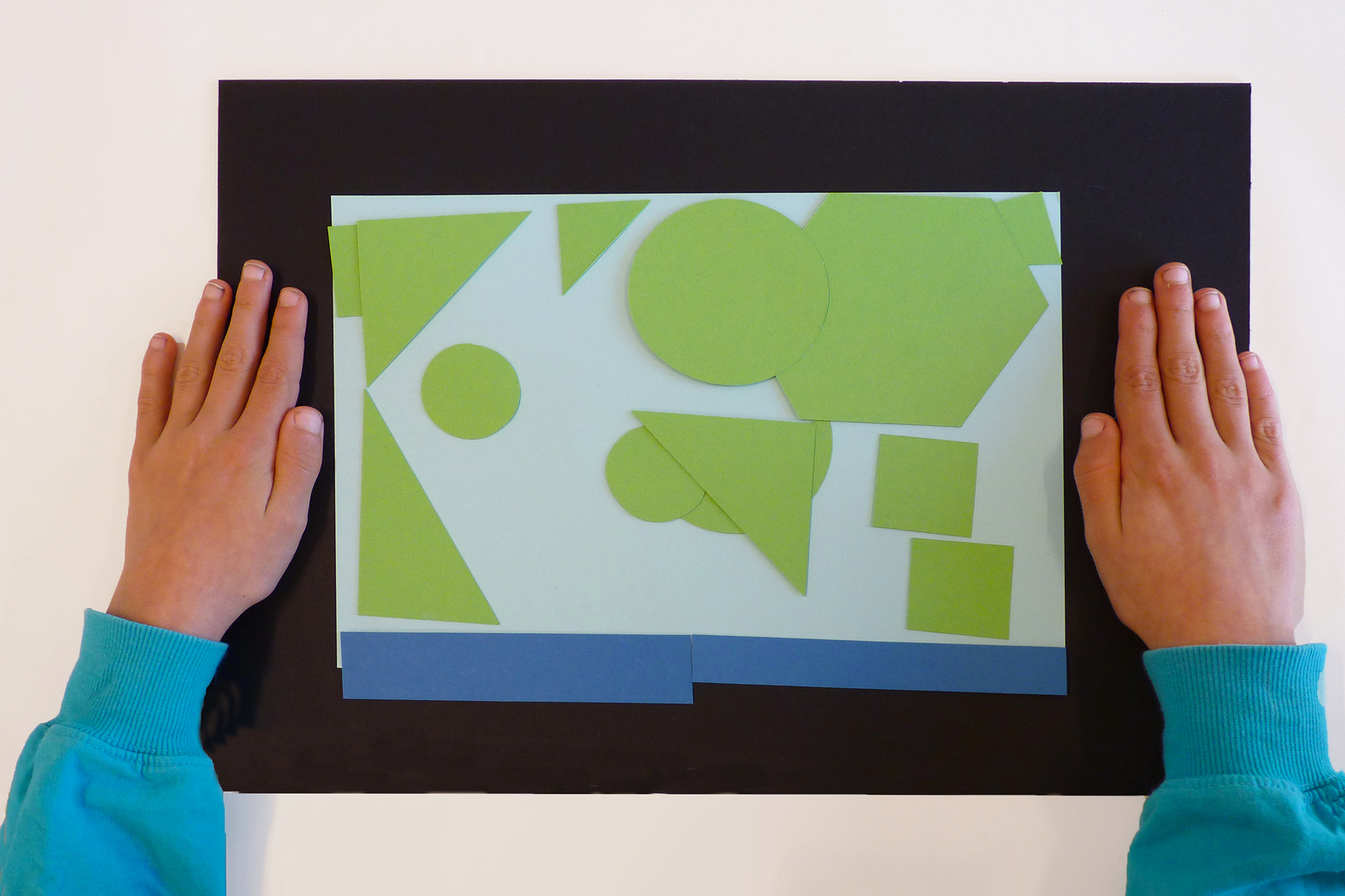
Flag Type: An international flag.
Why a world flag: This world flag could mean that all countries belong together: 49 countries for Europe, 52 for Africa and 48 for Asia, South America 12 and Oceania 14 and North America 28 and they must come together.
For whom: The flag is for animals that also come from around the world and also for the world itself. He often thinks: 'give me some rest too'.
Where does the first flag come from: The center of the Earth in Africa.
Explanation: It's the world. Light blue is the sea, green is the land and dark blue is the South Pole.
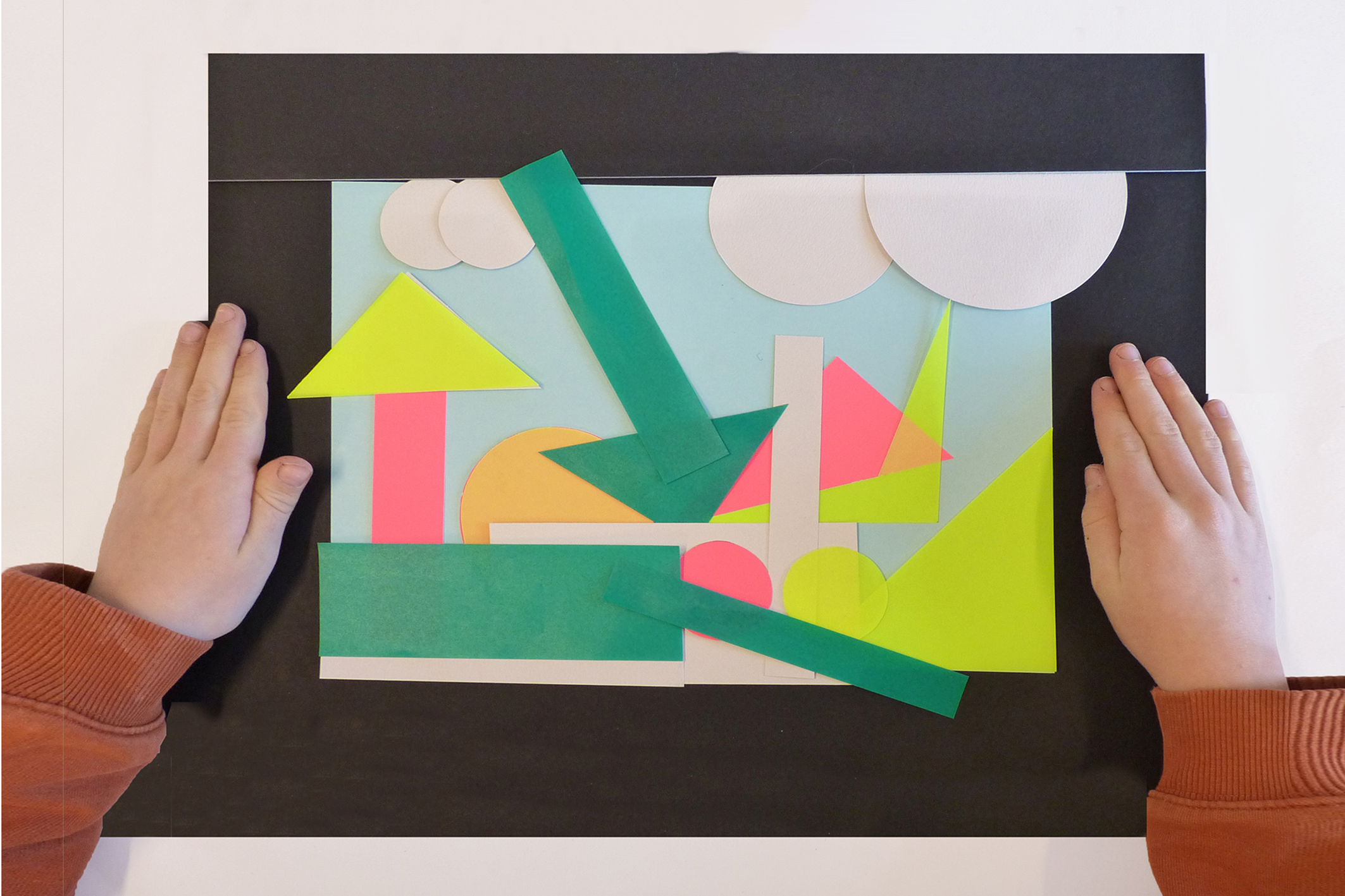
Flag type: A flag against natural pollution.
Why a world flag: A flag should say what it stands for. I want to respect the Earth as much as possible.
For whom: -
Where does the first flag come from: In Brussels. It will be a bit busy there, but okay.
Explanation: The blue surface represents water. The yellow color is a discovery color and the green color represents the Earth. The white shapes are the clouds that come out of the factories. There are also withered trees on my flag so that we know we need to deal better with nature. The whole flag is about nature pollution.
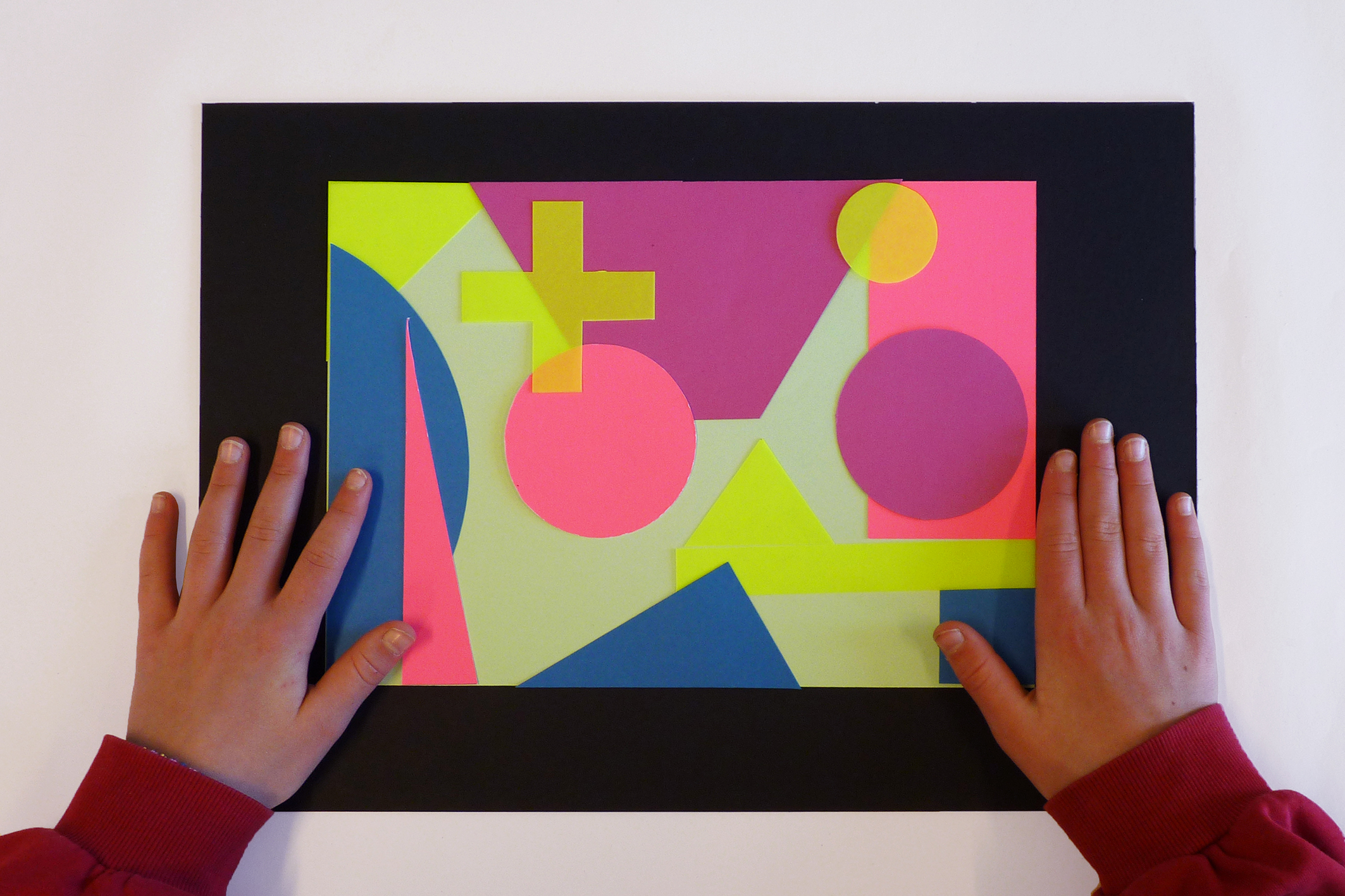
Flag Type: A happy, wild flag.
Why a world flag: That people are reminded that they are not alone in the world. That there are also animals and stuff. If the flag were to look at the world, he would probably think: “what a beautiful view”.
For whom: For everything that exists in the world.
Where did the first flag come from: Ireland, because that's where my grandparents live. Near a lake and in a place where many people can see it.
Explanation: Yellow stands for animals, blue for nature, pink for the sky and purple for everything. I think it's important that the world flag is very original and doesn't look like all the other flags.
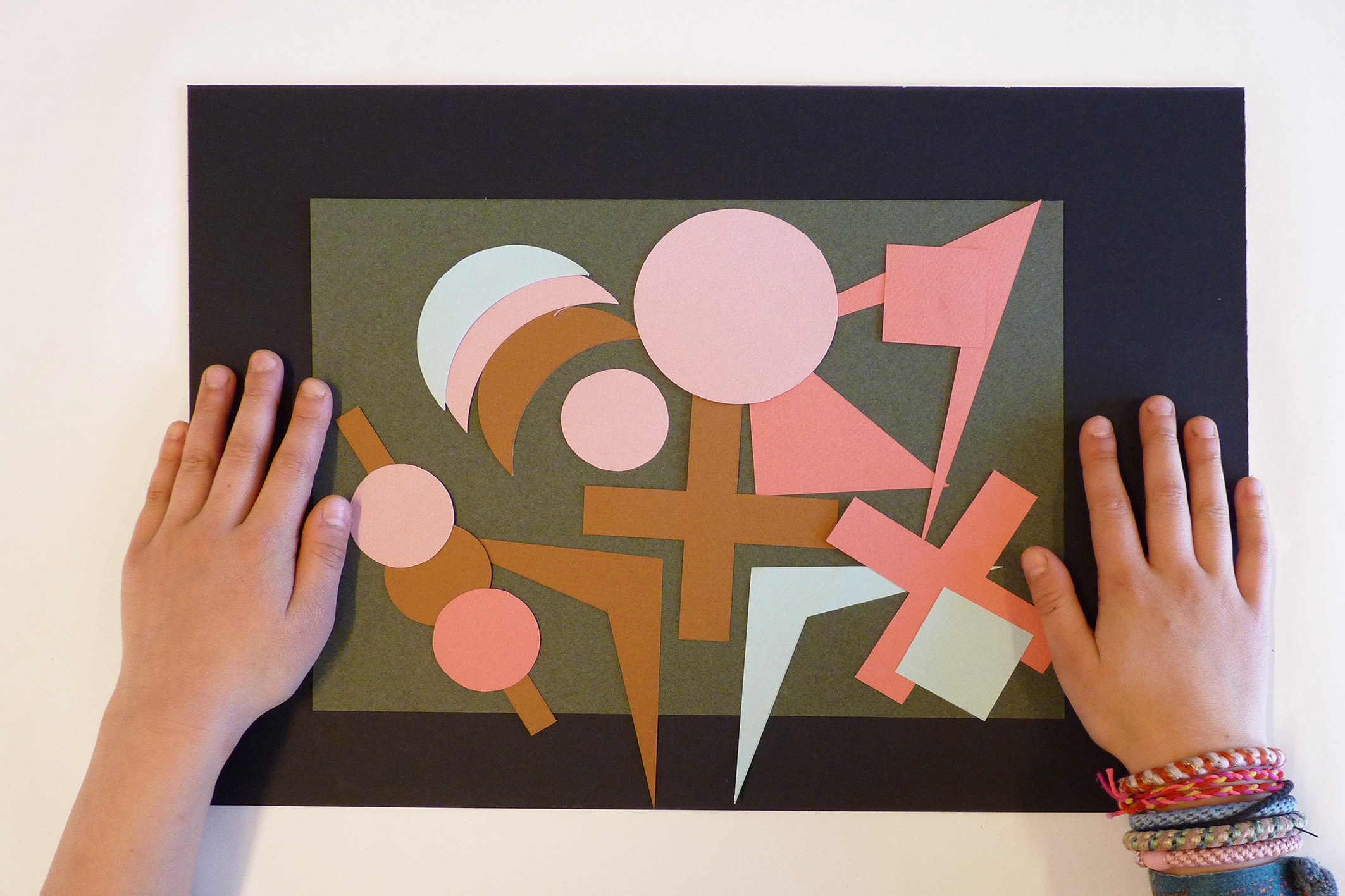
Flag type: An all-together flag.
Why a world flag: I don't know that yet.
For whom: Animals and plants Plants have seeds and animals are also very small at first; in fact, everything belongs together.
Where did the first flag come from: I was once in England with my aunt and there was a park with very nice plants. I think the flag there is nice.
Explanation: I chose the green color because there are a lot of plants growing in the world. You also see three moons on top of each other and there are also several vehicles in it, a bicycle and an airplane.
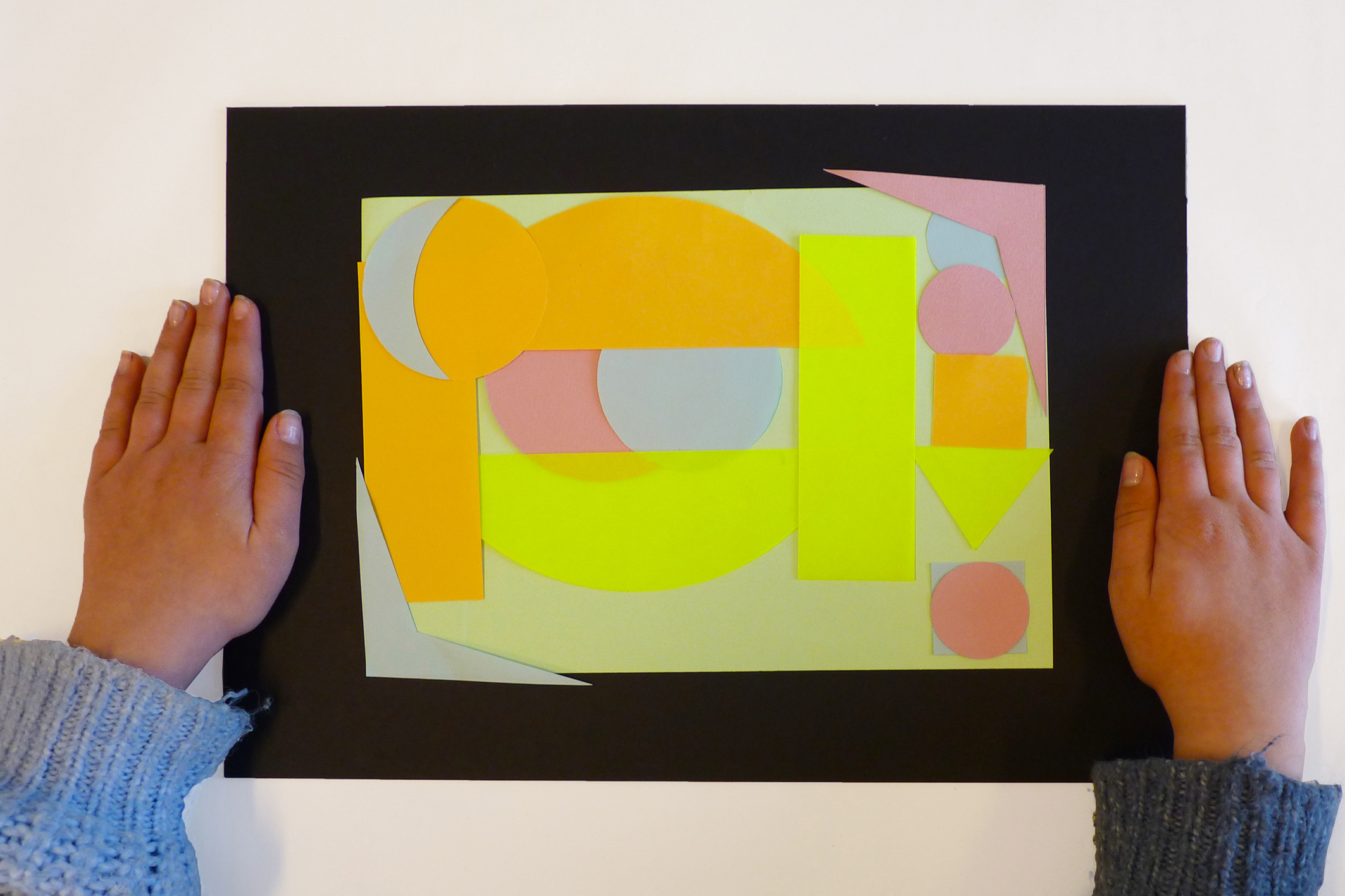
Flag type: A sweetheart.
Why a world flag: The world is actually one together. That includes everything. People often do things wrong. We could just do small things better. Don't throw anything on the ground. I hope that people are kind to each other and agree with each other.
For whom: Nature, animals, houses.
Where does the first flag come from: In Amsterdam on Dam Square.
Explanation: I chose bright colors so you can see the flag clearly. I created the globe, the sun and the moon and the layers shine through each other.
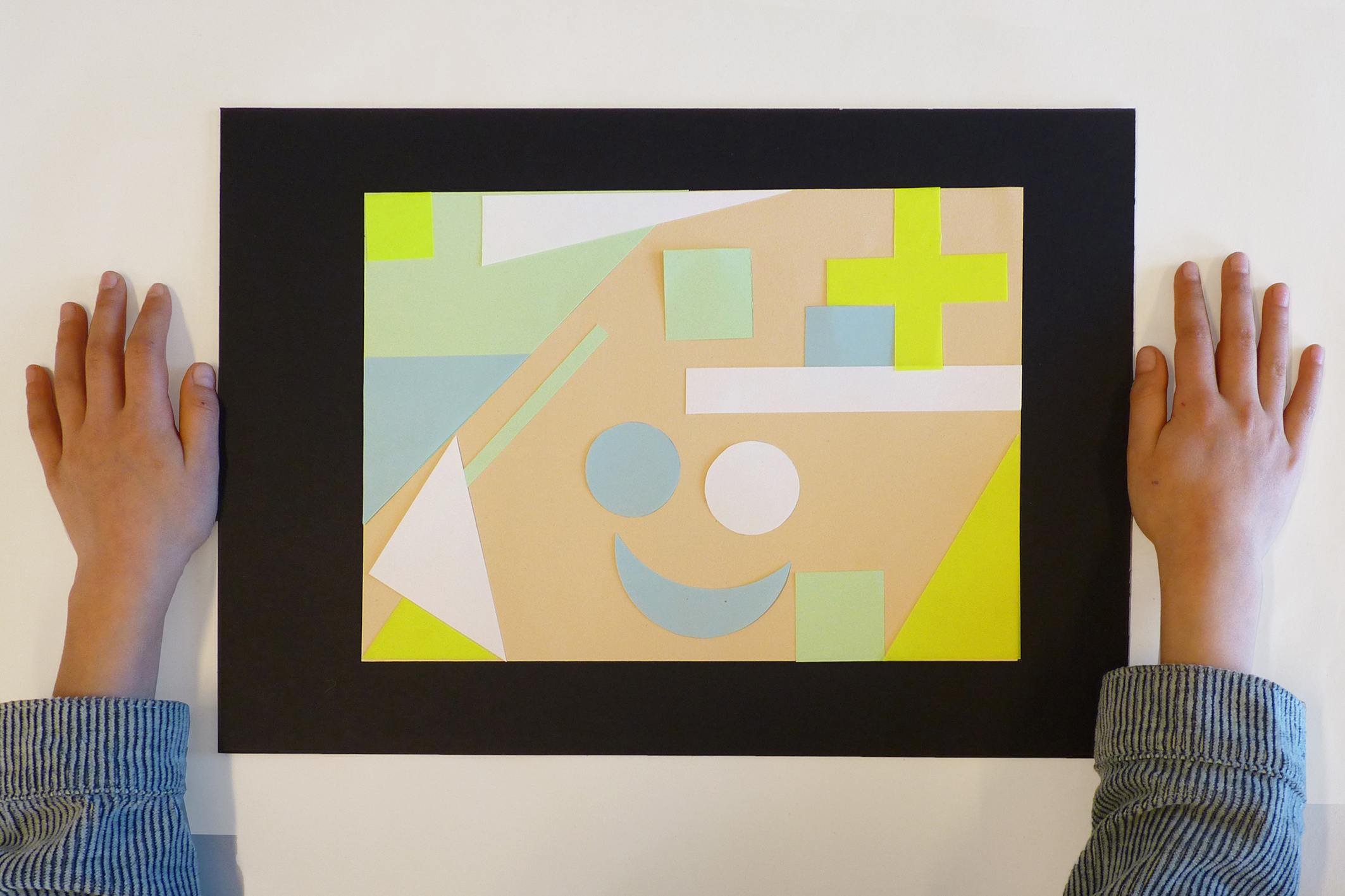
Flag Type: A happy flag.
Why a world flag: That's handy, so you don't have to make so many flags. There must be more peace in the world. This flag can help you remember that.
For whom: For all people and pets in the world.
Where does the first flag come from: In Russia, because it is very big.
Explanation: It has a smily and a cross that represents the Red Cross, but it is now yellow. I love soft colors.
The Country Song:
The Class Project:



credits
Concept & implementation: Valerie van Leersum
Commissioned by: NDSM-Wharf Foundation
Realized by: Valerie van Leersum and the students of De Ijsbreker primary school
Special thanks to: Plug paint wholesaler
Photography: LNDW Studio
meer over dit kunstwerk
meer over dit kunstwerk
gerelateerde items
gerelateerde artikelen
NDSM X VALERIE VAN LEERSUM